
"Mandheling history"
300 article(s) found

Unsolved case of History: the Origin of Mandheling the True Origin of Manning in Indonesia
For professional baristas, please follow the coffee workshop (Wechat official account cafe_style)

Indonesian Aged Mandheling G1 Washable Coffee Bean Origin and Development History
Mantenin is a high-quality coffee bean grown in the original mountains of Michael at an altitude of 7501500. It is a rare Arabica variety in Indonesia where Robusta is mainly produced. Because of various environmental factors such as altitude and climate, the coffee beans grown are rich in aroma, rich in taste, strong in taste, and some slightly chocolate and syrup flavors. Because it has a rich alcohol and fragrance and is lively

Boutique coffee beans: an introduction to Sumatran Mandheling in Sumatra
[introduction] the history of coffee cultivation in Sumatra began in the 18th century, and the origin of the name Mantenin itself is very ethnic. The famous producers of Asian coffee are the islands of the Malay Archipelago: Sumatra, Java, Kalimantan (formerly Borneo Borneo), Sulawesi and Sulawesi.

World Fine Coffee beans: an introduction to Sumatran Mandheling in Sumatra
[introduction] the history of coffee cultivation in Sumatra began in the 18th century, and the origin of the name Mantenin itself is very ethnic. The famous producers of Asian coffee are the islands of the Malay Archipelago: Sumatra, Java, Kalimantan (formerly Borneo Borneo), Sulawesi and Sulawesi.

The history of coffee names how did Manning's name come from?
Manning is not the name of the producing area, the place name, the port name, nor the name of the coffee breed. How did it get its name? In fact, it is a phonetic error of the mandheling people in Mandaining, Indonesia. During the Japanese occupation of Indonesia during World War II, a Japanese soldier drank mellow coffee in a cafe, so he asked the shopkeeper the name of the coffee, and the boss mistook him for asking where you were.

The Cultural History of Coffee beans how did Manning's name come from
Manning is not the name of the producing area, the place name, the port name, nor the name of the coffee breed. How did it get its name? In fact, it is a phonetic error of the mandheling people in Mandaining, Indonesia. During the Japanese occupation of Indonesia during World War II, a Japanese soldier drank mellow coffee in a cafe, so he asked the shopkeeper the name of the coffee, and the boss mistook him for asking where you were.

Indonesia Mantenin single product bean flavor description, planting history, production area treatment, taste introduction.
Exchange of professional baristas Please follow the coffee workshop (Wechat official account cafe_style) what are the characteristics of Manning coffee? Manning coffee is produced in Sumatra, Indonesia, Asia, also known as Sumatran coffee. Her flavor is very rich, fragrant, bitter, mellow, with a little sweetness. Most coffee lovers drink on their own, but it is also indispensable for blending coffee.
Single coffee-Sumatra manning (Sumatran Mandheling)
The history of coffee cultivation in Sumatra began in the 18th century, and the origin of the name Mantenin itself is very ethnic.

Indonesia aged Mantenin Aged Mandheling G1 Water washed Fine Coffee beans Grinding degree Baking degree
Aged Mandheling country: Indonesia Grade: G1 Origin: Sumatra Baking degree: medium to Deep Baking treatment: semi-washed aged Gold Manning: aged coffee actually has a long history in Indonesia, because the early shipping is not so developed, it takes quite a long time to transport coffee from Indonesia to other countries.

Boutique Coffee-Sumatra Manning (Sumatran Mandheling)
The famous producers of Asian coffee are the islands of the Malay Archipelago: Sumatra, Java, Kalimantan (formerly known as Borneo in Borneo), Sulawesi and New Guinea. The history of coffee cultivation in Sumatra began in the 18th century, and the name Mantenin

Single coffee-Sumatra manning (Sumatran Mandheling)
The famous producers of Asian coffee are the islands of the Malay Archipelago: Sumatra, Java, Kalimantan (formerly known as Borneo in Borneo), Sulawesi and New Guinea. The history of coffee cultivation in Sumatra began in the 18th century, and the origin of the name Mantenin itself
Single Coffee-Sumatra Sumatran Mandheling Indonesian Coffee
The famous producers of Asian coffee are the islands of the Malay Archipelago: Sumatra, Java, Kalimantan (formerly known as Borneo in Borneo), Sulawesi and New Guinea. The history of coffee cultivation in Sumatra began in the 18th century, and the name Mantenin

The planting position of aged Mantenin Aged Mandheling G1 washed boutique coffee beans in Indonesia
Old gold Mantenin: old coffee actually has a long history in Indonesia, because the early shipping is not so developed, it takes a long time to transport coffee from Indonesia to other countries. over time, the water-rich fresh coffee beans are slowly dried, coupled with the sea breeze blowing to add a very special flavor. Due to the advance of modern shipping

Story story of Indonesia's aged Mantenin Aged Mandheling G1 washed boutique coffee beans
The exchange of professional baristas please pay attention to the coffee workshop (Wechat official account cafe_style) Old coffee actually has a long history in Indonesia, because the early shipping is not so developed, it takes a long time to transport coffee from Indonesia to other countries, after the passage of time, the water-rich fresh coffee beans are slowly dried and added by the sea breeze.

Coffee Culture History The Origin of the Name of Mandolin Coffee
Mantenin is not the name of a region, a place, a port, or a coffee variety. How did it get its name? In fact, it is a pronunciation error of the Mandheling ethnic group in Indonesia. During the Japanese occupation of Indonesia in World War II, a Japanese soldier drank excellent coffee in a cafe and asked the owner the name of the coffee. The owner mistook him for asking where he was
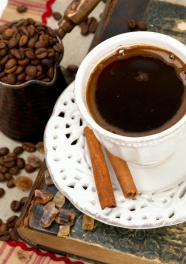
Lindong, Sumatra, Indonesia Mandheling Manning, Indonesia
Coffee that makes you feel refreshed and ready to drink. Coffee is produced throughout Indonesia (Indonesia), and Java occupies an extremely important position in coffee history. In the mid-17th century, coffee trees were introduced to Indonesia by the Dutch (some official sources believe that earlier). The first batch of coffee from Java was sold to Amsterdam in 1712. However, in 1877

A brief introduction to the Origin, Development, History and Culture of Indonesian Mantenin Fine Coffee beans
Only one thing is certain. These treatments occasionally produce excellent coffee and are extremely unstable. Only by the merciless selection in the exporters' warehouse at the port of Medan can we ensure that the deep texture and unique and low-key richness of Lintong Lindong and Mandheling Mantenin can emerge from the interference of other miscellaneous smells. In the 17th century, the Dutch put Arabica saplings for the first time.

The Origin of the name of Manning Coffee introduction to the History of Indonesian Manning Coffee
The name is edited Manning is not the name of the producing area, the place name, the port name, nor the name of the coffee breed. How did its name come from? In fact, it is the transliteration of the mandheling people in Mandaining, Indonesia. During the Japanese occupation of Indonesia during World War II, a Japanese soldier
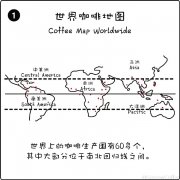
India `Nicaea Sumatra Manning G1 | Indonesia Sumatra Mandheling G
India `Nesian Sumatra Manning G1 | Indonesia Sumatra Mandheling Grade1 Sumatran coffee production can also be traced back to the Dutch colonial era. Coffee production in the region, which began in the 18th century, extends from Lake Toba to Sumatra in Aceh. It turns out that there is no coffee in Sumatra.

A brief introduction to the Origin, Development, History and Culture of Indonesian Mantenin Fine Coffee beans with a little sweetness
Sellers often mark Lintong Lindong and Mandheling Manning coffee as dry. In fact, the pulp and coffee seeds are often separated by a variety of mixing modes, and the more common is a backyard wet treatment. The smart farmer put the freshly picked coffee cherries into a simple peeling machine made of scrap metal, wood and bicycle parts. Then stick the peeled ones.